Your store: Auckland Store

Dehumidifier Buying Guide: How to Choose the Right One for Your Home
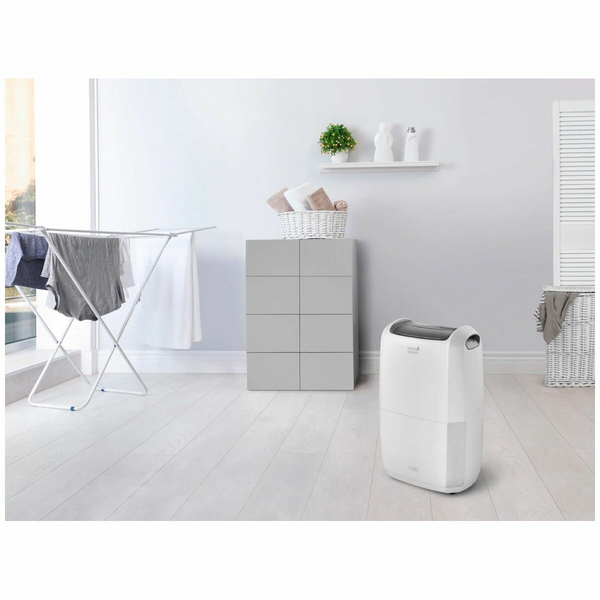
Winter in New Zealand often means damp, cold homes. Moist air not only makes your home feel chillier but also creates the perfect environment for allergens like dust mites, mould, and mildew. A dehumidifier is an essential tool to combat dampness, improve air quality, and boost the efficiency of your heating.
If you're thinking about buying a dehumidifier, here's everything you need to know to find the right one for your needs.
Why Use a Dehumidifier?
Keeps Your Home Warmer: Dry air heats more easily than damp air, helping you stay comfortable and saving on heating costs.
Improves Health: Reducing airborne moisture limits allergens such as mould, mildew, and dust mites.
Enhances Heating Efficiency: A dry environment allows your heating system to work more effectively.
Tip: Dehumidifiers are most effective in rooms with temperatures between 10°C and 15°C. While they can slightly warm the air, they should be used alongside a heater, heat pump, or wood fire for the best winter comfort.
Types of Dehumidifiers
1. Compressor Dehumidifiers
How they work: Damp air is drawn over a cold coil where moisture condenses and collects in a tank.
Best for: Warm, humid conditions (such as summer months).
Considerations: Less effective below 12°C, so not ideal for colder winter homes.
2. Desiccant Dehumidifiers
How they work: Damp air passes through a wheel of moisture-absorbing material.
Best for: Cooler environments (ideal for winter use).
Considerations: Higher running costs compared to compressor models.
Key Features to Consider
When choosing a dehumidifier, keep these important factors in mind:
Size and Capacity
Room size matters: Larger rooms need dehumidifiers with higher capacity.
Water tank size: Smaller tanks need to be emptied more often; larger tanks offer longer operation between empties.
Price
Generally, the more you invest, the more efficient and powerful the unit will be.
Energy Efficiency
Look for a good energy efficiency rating to save on running costs over time.
Humidistat
A humidistat lets you set a target humidity level (ideally between 30%–50%) and automatically adjusts operation to maintain it.
Timers
Programmable timers allow you to control when your dehumidifier turns on and off, saving energy and offering convenience.
Noise Levels
Most dehumidifiers produce over 50 decibels (similar to normal conversation). If you plan to run it overnight in a bedroom, check the noise rating.
Air Filters
Higher-end models often include washable air filters that capture dust and allergens, helping keep the air even cleaner.
Hose Connection
Some dehumidifiers offer continuous drainage via a hose, which is especially useful for garages, laundry rooms, or spaces where frequent emptying would be inconvenient.
Tips for Using Your Dehumidifier
Placement: Position it in the centre of the room for even coverage, and close doors and windows.
Preparation: Vacuum the room beforehand to reduce dust build-up in the filter.
Maintenance: Clean filters regularly for optimal performance and fresher air.
Choosing the right dehumidifier can make a big difference to your home's comfort and health during the wet and chilly months. Think about your home's needs, room sizes, and typical winter conditions to find the perfect model for you!
Top Rated Dehumidifiers

Compressor vs Desiccant Dehumidifiers: Quick Comparison
Feature | Compressor Dehumidifier | Desiccant Dehumidifier |
|---|---|---|
Best for | Warm, humid climates | Cold, damp climates |
Working temperature | Best above 12°C | Performs well even below 12°C |
Running costs | Lower | Higher |
Water extraction method | Cools air to condense moisture | Absorbs moisture through a desiccant wheel |
Effectiveness in winter | Less effective | Very effective |
Noise level | Typically louder | Quieter |
Weight | Heavier due to compressor | Lighter and more portable |
Initial cost | Generally cheaper | Typically more expensive |
Additional heat output | Minimal | Slight warmth added to room |
Dehumidifier FAQ
What size dehumidifier do I need for my room?
Appliance Buyer. 29.04.2025
- For small rooms (bedrooms, offices), a compact dehumidifier will usually be enough.
- For larger spaces (living rooms, basements), choose a higher-capacity unit that can extract 15–20 litres per day.
- Always match the dehumidifier’s capacity to the room size for best results.
Appliances Online
Should I run my dehumidifier all day?
Appliance Buyer. 29.04.2025
You don’t need to run it constantly. Use a model with a humidistat or timer to maintain an ideal humidity level between 30% and 50%, and switch it off once the target is reached.
Appliances Online
Can I use a dehumidifier instead of a heater?
Appliance Buyer. 29.04.2025
No. Dehumidifiers slightly warm the air as a side effect but are not designed to heat a room. For optimal winter comfort, use a dehumidifier alongside a proper heating system.
Appliances Online
Where should I place my dehumidifier?
Appliance Buyer. 29.04.2025
Place it centrally in the room, with doors and windows closed. Keep it away from walls and furniture to allow proper air circulation.
Appliances Online
How much maintenance does a dehumidifier need?
Appliance Buyer. 29.04.2025
Regularly empty the water tank (unless using a continuous drain hose) and clean or replace the air filter to ensure efficient performance.
Appliances Online
Is a dehumidifier noisy?
Appliance Buyer. 29.04.2025
Most models produce around 50–55 dBA, similar to a quiet conversation. Check the noise rating if you plan to run it overnight or in quiet areas like bedrooms.
Appliances Online
What’s the difference between a humidistat and a timer?
Appliance Buyer. 29.04.2025
- A humidistat automatically switches the dehumidifier on or off based on the room’s humidity level.
- A timer allows you to set specific operating periods (e.g., run only during the night).
Appliances Online