Your store: Auckland Store

Appliances Online NZ Blog
Tips and tricks for better home living, from the kitchen and laundry to the bedroom and backyard.
BLOG HOME | 22 APRIL, 2026
10 MIN READ
Winter Heating Appliances: Energy-Efficient Solutions for Home Warmth
Explore energy-efficient winter heating appliances to keep your home warm. Explore smart solutions for comfort, performance, and lower energy use.
Achieving Sustainable Warmth: Your Practical Buying Guide to Winter Heating
As temperatures drop, your primary objective is to maintain a stable, comfortable indoor climate without incurring prohibitive energy costs. Achieving this balance requires more than just turning up the thermostat; it demands a strategic approach to selecting appliances that align with your specific architectural footprint. You are not merely buying a device; you are investing in a system of thermal management. By focusing on practical utility and high-efficiency technology, you can secure a cozy environment while keeping your utility bills under control.
Selecting the Correct Appliance for Your Environment
Different rooms demand different heating strategies. If you attempt to heat a drafty garage with the same technology used for a small nursery, you will inevitably waste energy. How do you determine which technology fits your space? You must evaluate the heat transfer method that best suits your daily routine.
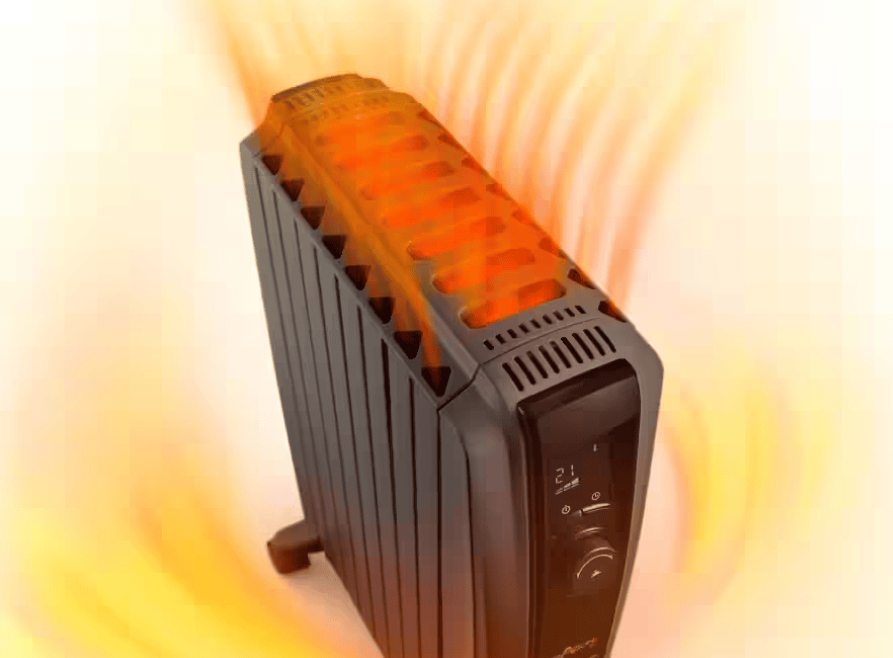
Convection Heaters for Uniform Air Distribution
If your goal is to raise the ambient temperature of an entire room consistently, convection heaters are the industry standard. These units work by drawing cold air from the floor, heating it over an internal element, and allowing it to rise naturally or via a fan. This creates a circular airflow pattern known as a convection current. NOTE: While effective for long-term heating, these units can take longer to reach your desired temperature compared to direct-heat models.
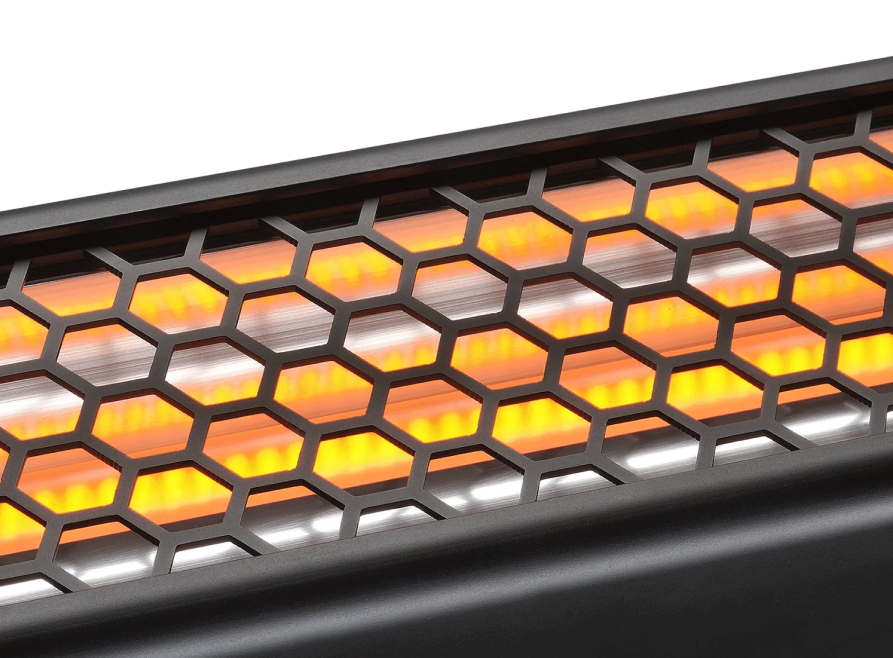
Radiant Heaters for Immediate, Personal Warmth
Radiant heaters do not focus on warming the air; instead, they emit infrared waves that warm objects and people directly in their path. This is the most efficient choice if you spend most of your time in a fixed position, such as at a desk or on a sofa. If you are looking for instantaneous heat without the need to warm the entire volume of a room, radiant technology is your best bet.
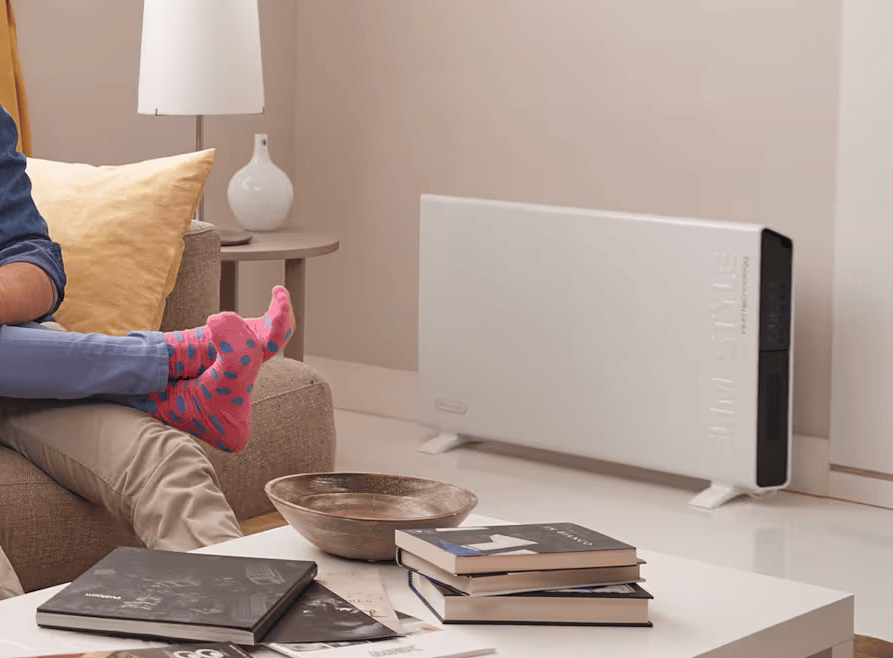
Micathermic Panels for Silent, High-Efficiency Operation
Micathermic heaters utilize a hybrid approach, combining roughly 80% convection and 20% radiant heat. The heating element is encased in thin sheets of mica, which allow for a slim, wall-mountable design. These units are exceptionally quiet because they rarely require fans. If you are sensitive to noise or have limited floor space, a micathermic panel offers a sleek, silent solution.
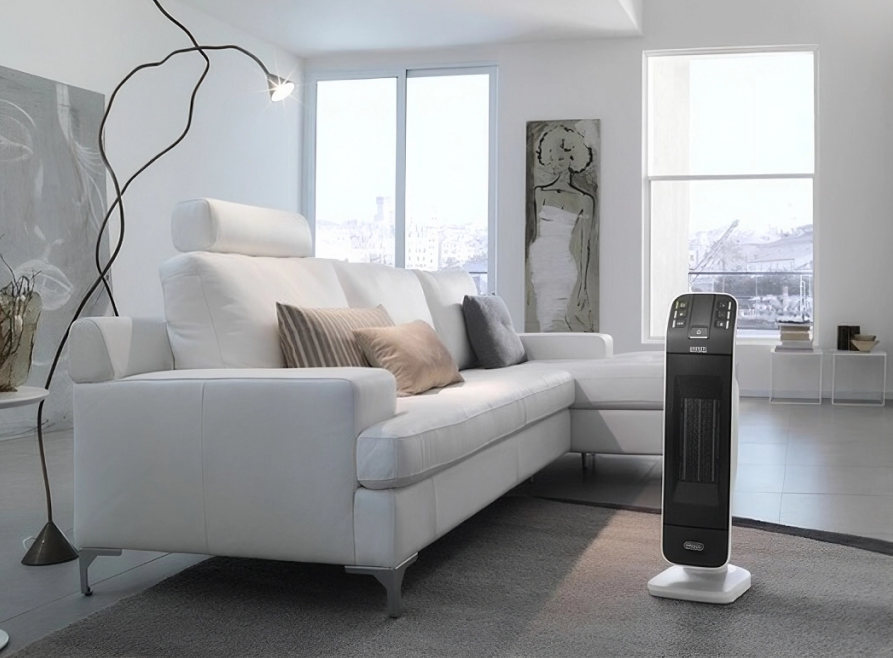
Ceramic Tower Heaters for Variable Directional Flow
Ceramic heaters utilize a PTC (Positive Temperature Coefficient) ceramic heating element. These are often built into towers with oscillation features, allowing you to direct a steady stream of warm air across a wide arc. Because ceramic cools down quickly once powered off, these units are often preferred in households with high traffic.
Heating Solutions

Calculating Your Heating Requirements
To avoid overspending on an overpowered unit or shivering with an underpowered one, you must calculate the required wattage. A standard rule of thumb for New Zealand homes is to allocate approximately 100 watts of power for every square metre of living space.
THE FORMULA:
(Total Square Metres) x 100 = Required Wattage
ILLUSTRATIVE EXAMPLE:
If you have a bedroom that is 3.6 metres by 4.5 metres:
1. Calculate area: 3.6 m x 4.5 m = 16.2 square metres.
2. Calculate wattage: 16.2 x 100 = 1,620 watts.
Furthermore, if your ceilings are higher than the standard 2.4 metres, you should increase your wattage requirement by 25% to account for the additional air volume
Operational Safety and Risk Mitigation
Safety is the cornerstone of any heating strategy. WARNING: NEVER PLUG A SPACE HEATER INTO A POWER STRIP OR EXTENSION CORD. These devices draw high amperage that can melt plastic housing and cause electrical fires. Always plug directly into a grounded wall outlet.
TIP-OVER PROTECTION: Ensure your unit has an internal switch that cuts power if the device is knocked over.
OVERHEAT PROTECTION: Look for sensors that automatically shut the unit down if internal temperatures exceed safe limits.
THE THREE-FOOT RULE: Maintain a minimum clearance of three feet between the heater and any combustible materials, such as curtains, bedding, or furniture.
Cost-Efficiency and Long-Term Value
Energy-Saving ECO Modes
Modern appliances often feature an "ECO" mode. If you activate this setting, the heater will intelligently cycle on and off or adjust its wattage output to maintain a precise temperature. This prevents the "all-or-nothing" power draw that characterizes older, less efficient models.
Programmable Thermostats and Timers
Why heat a room that you are not using? By utilizing programmable timers, you can ensure the heater activates 30 minutes before you wake up and shuts down automatically when you leave for work. This precision prevents "ghost" energy consumption.
Comparison of Operating Costs by Fuel Type
While electric heaters are convenient and have low upfront costs, they are typically more expensive to run per BTU than natural gas. However, for supplemental heating in specific zones, electric units provide better value because they allow you to lower the central furnace temperature for the rest of the house.
Maintenance for Longevity
To ensure your appliance survives many winters, perform basic maintenance every thirty days.
DISCONNECT POWER before cleaning.
VACUUM THE INTAKE VENTS to remove dust buildup, which can cause the motor to work harder and shorten its lifespan.
INSPECT THE CORD for any signs of fraying or heat damage.
FAQs: Making an Informed Investment
Which heating technology is the most cost-effective for a home office?
A radiant heater or a small ceramic heater is generally best. Since you are stationary, you only need to heat your immediate vicinity rather than the entire room.
How do I identify an energy-star rated appliance?
Look for the blue Energy Star logo on the packaging. This certification indicates that the appliance meets strict energy efficiency guidelines set by the EPA. This can also help you reach energy efficiency in the home and reduce power bills, whilst also hitting your goals.
What are the benefits of oil-filled radiators versus ceramic heaters?
Oil-filled radiators provide "silent" heat and retain warmth long after being turned off, making them ideal for bedrooms. Ceramic heaters provide faster, directional heat but cool down quickly.
Can I safely use these appliances in high-moisture areas like bathrooms?
Only if the unit is specifically rated for bathroom use and equipped with an ALCI (Appliance Leakage Current Interrupter) plug. Standard heaters should never be used near water sources.
Environmental Impact and Secondary Benefits
Choosing a high-efficiency heater does more than save money; it reduces your household's carbon footprint by minimizing energy waste. Furthermore, many modern units include basic air filtration, acting as a purifier, or humidification features, improving the air quality of your home during the dry winter months. By selecting the right tool for the job, you create a sustainable, safe, and comfortable sanctuary against the cold.
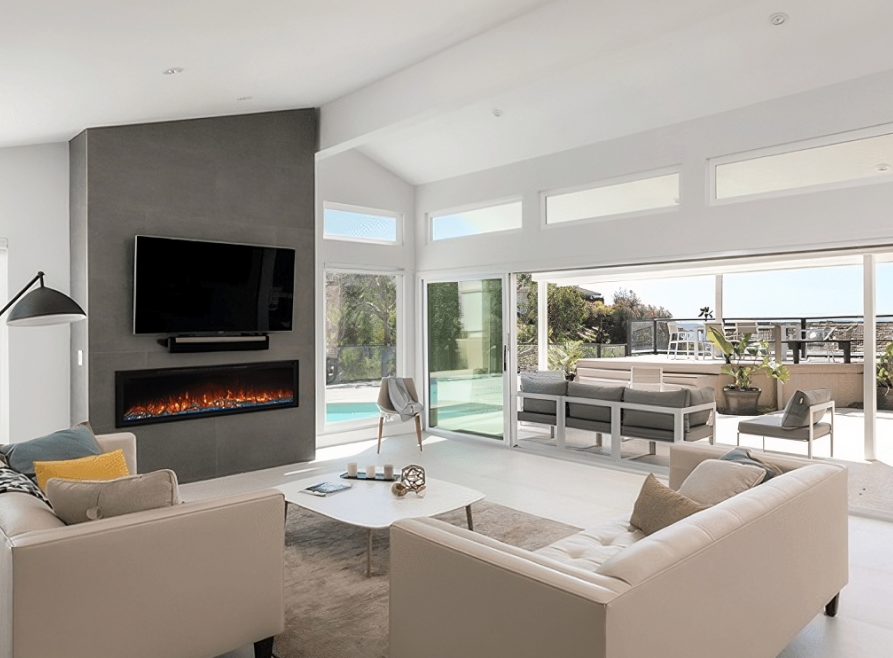
Living Room style and heating
One of the busiest rooms in the house is the living room. This is where you rug up on cold winter nights and Netflix and chill. We thought we’d take a chance to look at a few options to heat up the Living Room and to keep it warm and toasty.
Making a bit of a splash are electric fireplaces, these heat and look fantastic. With all of the benefits of a fireplace, but with none of the drawbacks of maintenance or wood chopping! These can be wall mounted or built-in to create a cozy and welcoming living room aesthetic. Available in a multitude of sizes for any living room environment and fully adjustable heat options and even adjustable flame colour.
Modern Flame Electric Fireplaces
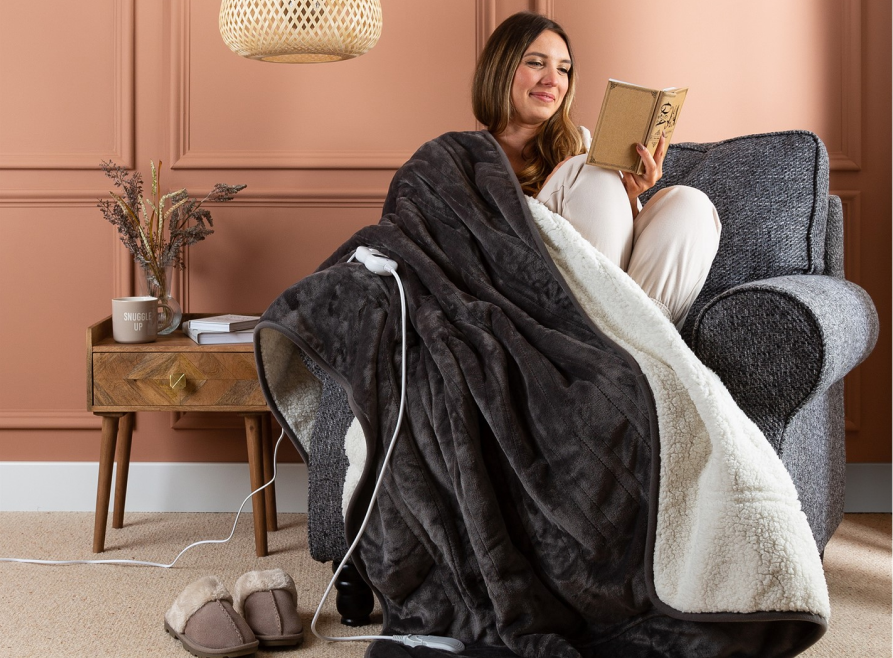
Snuggle up with an Electric Blanket
A more flexible and comfortable option on those frosty nights are electric blankets, not just for bedtime, also for rugging up in the lounge on top of your favourite chair with a hot drink. Many brands offer multiple settings; including, pre-heating timers, your selection of heat setting and auto shut off features for peace of mind. Imagine hopping into a preheated bed on a frosty night - priceless!
Electric Blankets

Bedroom climate control
Often overlooked, is the bedroom climate. The amount of humidity in the bedroom can also highthen the bedroom chill. In New Zealand, we often experience this as weepy windows. If you can set a consistent temperature you can dry the air and remove excess moisture from the bedroom. This can be increasingly important if anyone in the house suffers from asthma or respiratory conditions. The simplest and most cost effective way to do this is with the dehumidifier. However, if you’re also considering cooling year-round then a heat pump air conditioner might also be an option for complete air conditioning for the bedroom. A potential third option, could also be portable air conditioning units, if your bedroom is in an apartment or second story and doesn’t lend itself to having easy access to fit an external condenser.
Dehumidifiers
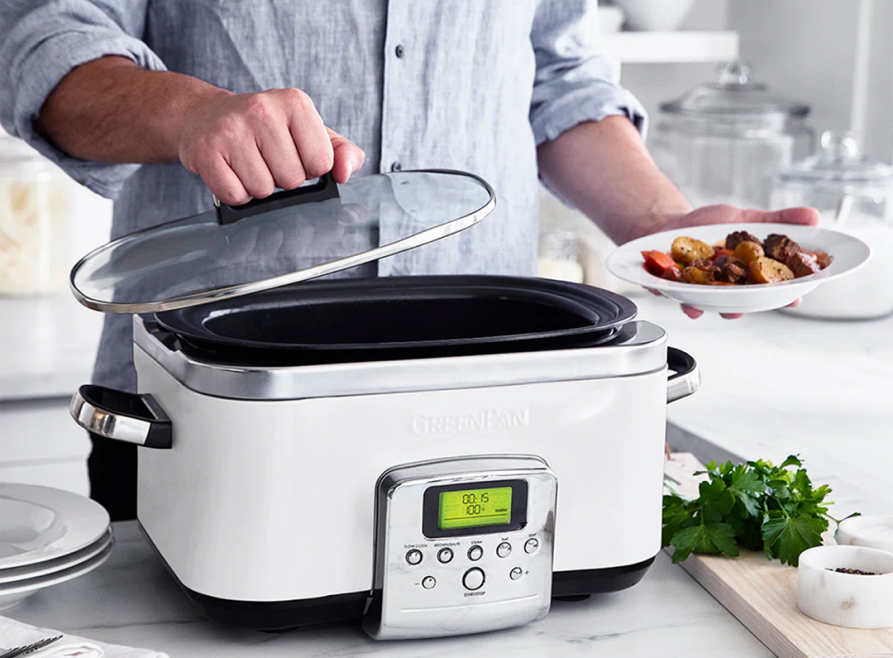
Kitchen Appliances to keep you warm during winter!
Let’s talk kitchen appliances for internal warming! Often overlooked, but home appliances can do a lot of heavy lifting in the colder months, providing warmth and comfort when it’s cold outside.
Slow cookers whilst also convenient, can provide a hardly base to warm from within, offering a winter alternative to the summer bbq. Set up your meal prep early in the morning or the night before, and come back to it later in the day for a ready to eat, succulent slow cooked meal.
Also, hearty soups fill of winter veges. Some modern blenders have a soup function for warm blending, which is a no-go with standard blenders. If you’re after something hearty then you can’t go past a hearty stew.
Quick sandwich press can make the most of leftovers and provide a quick, ready to eat hot toasty sandwich which is also perfect with a coffee!
Speaking of coffee, you can’t go past a coffee machine for hot drink options.
Check out some of our small kitchen appliance options, including some viral sensations like the air fryer from Shark Ninja
Small Kitchen Appliances
Legendary Service at Appliances Online
Ready to upgrade your home without the hassle? At Appliances Online NZ, we make it simple. Enjoy the convenience of free, next-day delivery* straight to your door, so you can start enjoying your new appliance sooner. Plus, we take care of the old one with free removal and recycling*, ensuring a seamless transition and peace of mind. Experience the Appliances Online difference today – where Legendary Service is always part of the package.

Gene is Auckland-based, a father of two girls and husband to Maxie. A creative at heart, he trained in animation and later found his passion in content marketing and storytelling. Gene loves design, food, art, film and media - and after hours, you’ll find him tinkering in the garage on sculptures and art toys. He brings this same creativity and fresh thinking to his role at Appliances Online, helping shape meaningful campaigns and sharing stories that connect with customers every day.
Latest Articles
BLOG HOME
20 APRIL 2026
Highest Rated Fridges NZ 2026: Top 7 Models Reviewed & Ranked
Discover the highest rated fridges in NZ for 2026. Explore our top 7 models, reviewed and ranked for performance, efficiency, and design.
BLOG HOME
17 APRIL 2026
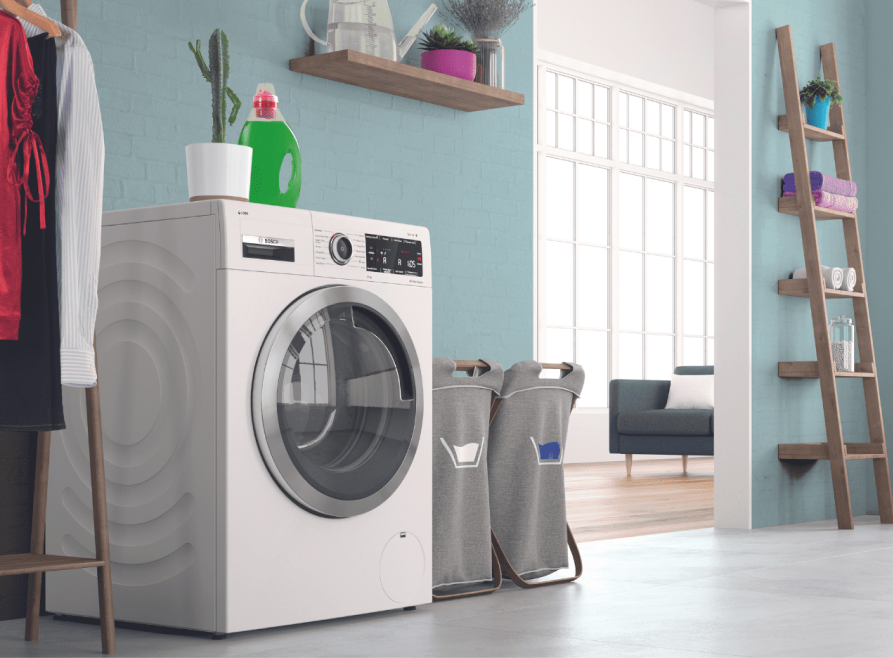
Best Washing Machines NZ 2026: 7 of our Highest Rated Washing Machines
Best washing machines NZ 2026: explore 7 of our highest-rated models for performance, energy efficiency, and reliability in New Zealand homes.
BUYING GUIDES
8 JANUARY 2026
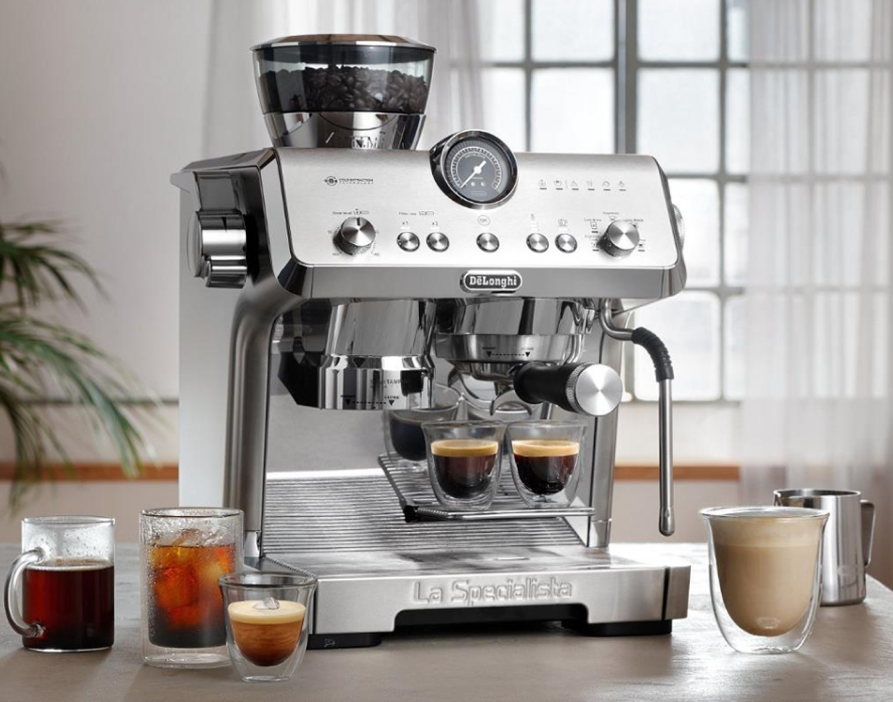
Your Ultimate Guide to Choosing the Best Coffee Machine
Not sure which coffee machine is right for you? Our ultimate guide makes it easy to compare options and find the perfect brew for your home.
SPOTLIGHT ON BRANDS & NEW ARRIVALS
17 DECEMBER 2025
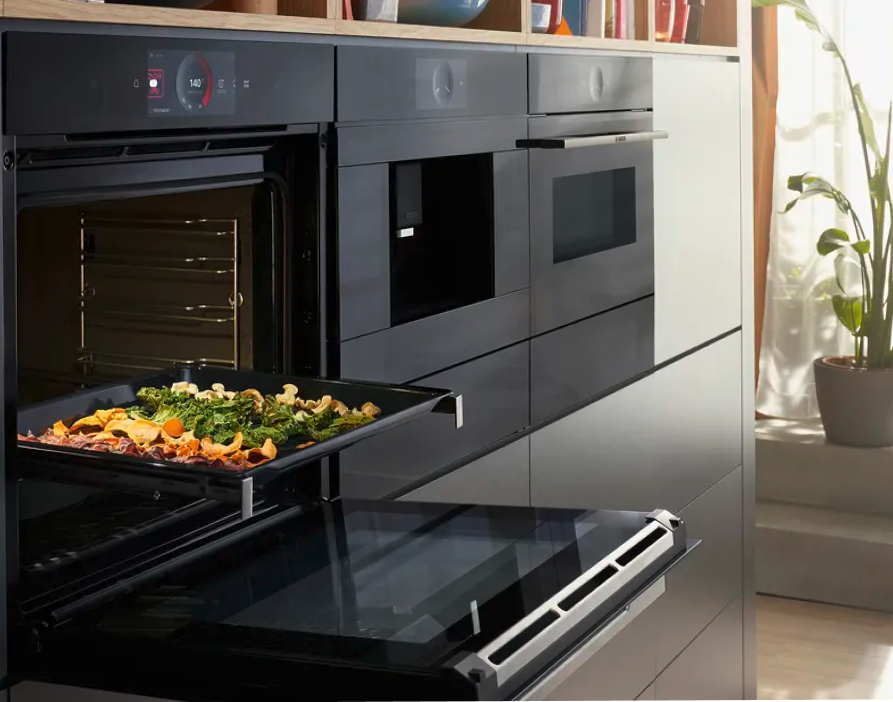
The Upgrade You’ve Been Waiting For: Bosch Series 6 Is Here
Big Performance, Smarter Features: Bosch Series 6 Now Available
More Like This
BLOG HOME
20 APRIL 2026
Highest Rated Fridges NZ 2026: Top 7 Models Reviewed & Ranked
Discover the highest rated fridges in NZ for 2026. Explore our top 7 models, reviewed and ranked for performance, efficiency, and design.
BLOG HOME
17 APRIL 2026
Best Washing Machines NZ 2026: 7 of our Highest Rated Washing Machines
Best washing machines NZ 2026: explore 7 of our highest-rated models for performance, energy efficiency, and reliability in New Zealand homes.
BUYING GUIDES
8 JANUARY 2026
Your Ultimate Guide to Choosing the Best Coffee Machine
Not sure which coffee machine is right for you? Our ultimate guide makes it easy to compare options and find the perfect brew for your home.