Your store: Auckland Store





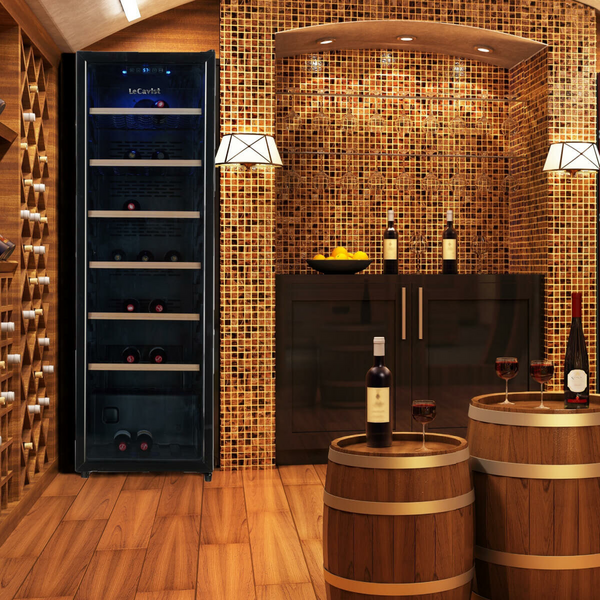
Are you a wine lover looking to protect your favorite vintages but wondering if a wine fridge is worth it?
Proper storage is key to preserving the quality and taste of your wine collection. One of the best ways to achieve this is by investing in a wine refrigerator—a specialised appliance designed to maintain the ideal temperature and humidity for your wines.
Choosing the right wine fridge can feel overwhelming, especially if you're unsure which features matter most. That’s why we’ve created the ultimate wine refrigerator buying guide to simplify the process. In this guide, we’ll break down the essentials of wine storage, key features to consider, and expert tips to help you find the perfect wine fridge for your collection.
Types of Wine Fridges
Wine fridges, also known as wine coolers, come in various types to accommodate different needs, preferences and style choices. Here are some common types of wine refrigerators:
Single Zone Wine Fridges: these have a single temperature zone.
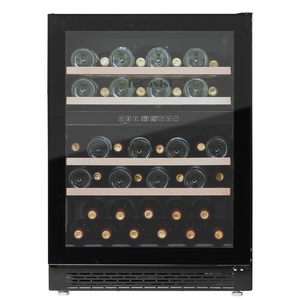
Dual Zone Wine Fridges: these have two separate temperature zones, allowing you to store different wines at different temperatures, e.g. red and white wines
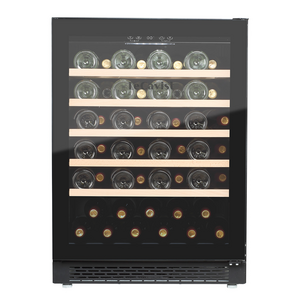
Built-in Wine Fridges: integrated wine fridges that are built into cabinetry or under countertops to create a matching look.
Freestanding Wine Fridges: these units are designed to stand alone, offering flexibility in placement without the need for built-in installation.
Countertop Wine Fridges: these are compact units designed to sit on countertops or flat surfaces, making them ideal for smaller spaces or where floor space is limited.
Under Counter Wine Fridges: these compact devices quickly chill a single bottle of wine, making them perfect for serving at the ideal temperature rather than long-term storage.
Outdoor / Alfresco Wine Fridges: these wine fridges are designed to handle the temperature variations that arise from being outside.
Compressor Wine Fridges: these fridges feature a compressor-based cooling system, similar to traditional refrigerators, for efficient and powerful cooling.
Thermoelectric Wine Fridges: these fridges use a thermoelectric cooling system rather than a traditional compressor. They operate by passing an electric current through a ceramic tile, creating a heat flux that transfers heat from the inside of the fridge to the outside. This process cools the interior and helps maintain a consistent temperature for storing wine.
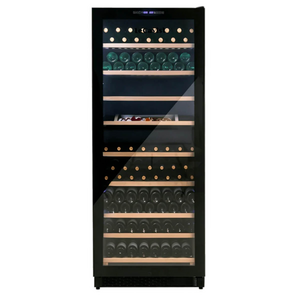
Large-Capacity Wine Cellars: For serious wine collectors, large-capacity wine cellars provide extensive storage space and often come with advanced temperature and humidity controls.
Smart Wine Fridges: these are wine storage units equipped with advanced technology that allows you to monitor and control their settings remotely using a smartphone, tablet, or smart home system. They combine traditional wine preservation features with modern connectivity to enhance convenience and precision in wine storage.
Wine Cabinets: A wine cabinet is a specialised piece of furniture designed for storing and displaying wine bottles. Unlike wine fridges, which actively cool wine, wine cabinets can either be temperature-controlled or simply used for storage at room temperature. They are designed to protect wine from light, heat, and humidity while providing an elegant way to showcase a collection.
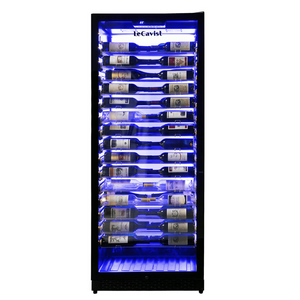
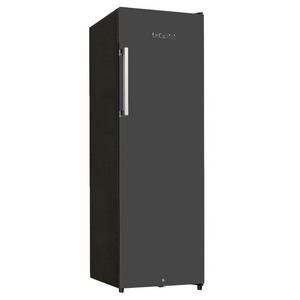
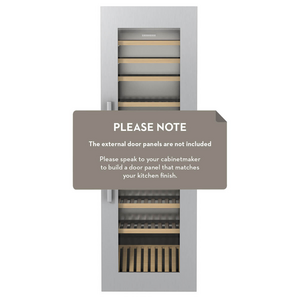
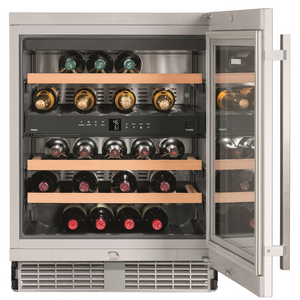
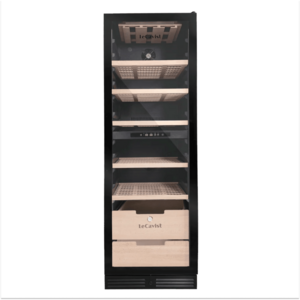
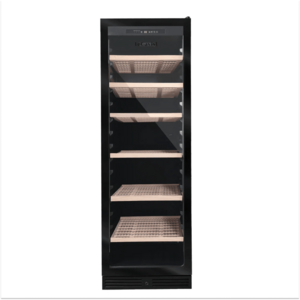
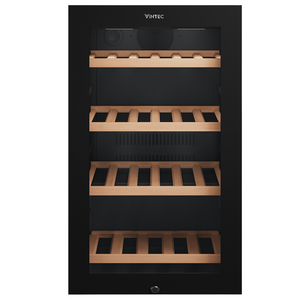
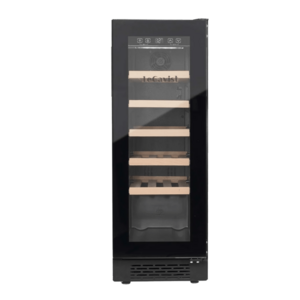
Top Rated Wine Fridges & Cabinets

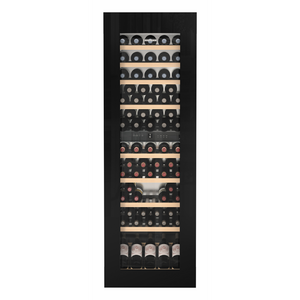
Benefits of a Wine Refrigerator
A wine refrigerator offers numerous advantages, making it a valuable investment for wine enthusiasts. It helps preserve the quality and flavor of your wine by maintaining the ideal temperature and humidity levels, ensuring proper aging and preventing spoilage. Additionally, it provides a convenient and organized way to store and display your collection.
1. Protects Against Vibrations
Vibrations can disturb the sediment in wine bottles, affecting the flavor and aging process. Wine refrigerators are designed to minimize vibrations, helping the wine mature properly.
2. Shields from Harmful UV Light
Exposure to light, especially UV rays, can degrade wine quality over time. Most wine refrigerators feature UV-resistant glass or solid doors to protect your collection from light damage.
3. Offers Flexible Size Options
Wine refrigerators come in various sizes, from compact countertop units to larger built-in or freestanding models, allowing you to choose one that suits your collection and available space.
4. Convenient Organization and Access
A dedicated wine refrigerator makes it easy to organize your collection. Some models have multiple temperature zones, enabling you to store red, white, and sparkling wines at their ideal temperatures.
5. Energy-Efficient Design
Wine refrigerators are built with insulation and temperature control mechanisms that reduce energy consumption compared to standard refrigerators, making them an eco-friendly choice.
6. Preserves Wine Quality
Proper storage conditions prevent premature aging, oxidation, and spoilage. A wine refrigerator ensures that each bottle is stored in an environment optimized for long-term preservation.
7. Ideal for Long-Term Aging
If you plan to age your wine, a wine refrigerator provides the perfect environment for wine to develop complexity and maturity over time.
8. Enhances Aesthetic Appeal
Many wine refrigerators are stylishly designed to complement your home or wine cellar décor, adding a touch of sophistication to your wine storage setup.
