Your store: Auckland Store

Buying Guides
Make informed decisions with our expert home appliance buying guides—discover top products, compare features, and get practical advice to help you choose the perfect appliances for your home.
BLOG HOME | 29 MAY, 2026
12 MIN READ
Should You Go Stackable? The Pros and Cons of Stacked Laundry Units
Discover the pros and cons of stackable laundry units, from space-saving benefits to practicality, and find out if a stacked setup is right for your home.
The Great Laundry Dilemma: Is Stacking Right for Your Home?
The laundry room is often the hardest-working corner of the home, yet it is frequently the most neglected in terms of design compared to kitchens filled with modern dishwashers. For decades, the standard "side-by-side" configuration was the undisputed king of the American household. It offered a wide surface for folding and a familiar, grounded silhouette. But as urban living densifies and our desire for streamlined, multifunctional spaces grows, the conversation has shifted upward.
Choosing between a traditional laundry setup and a stacked unit isn't just about following a trend; it’s a logistical puzzle that involves your physical reach, your home’s infrastructure, and your weekly throughput of denim and linens. If you’ve ever felt like your washing machine was swallowing your mudroom or that your apartment closet was an untapped resource, you’re in the right place. This buying guide is designed to help you weigh the spatial freedom of verticality against the practical realities of maintenance and accessibility.
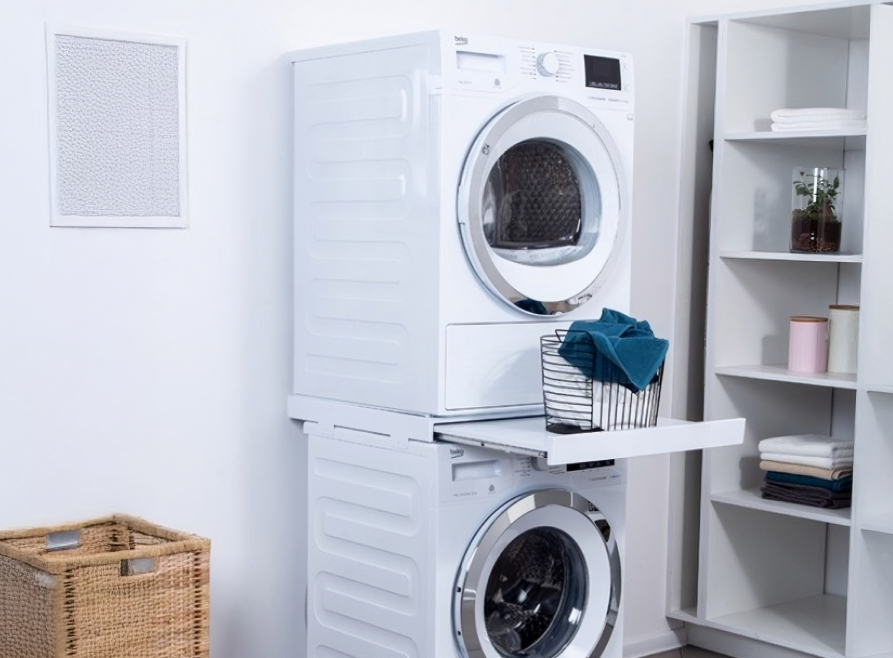
Stackable Units: The Flexible Pair
Think of stackable units as a "power couple." These are two independent machines—a front-load washer and a matching dryer—that are designed with the structural integrity to be bolted together. They offer the most flexibility because you can choose to sit them side-by-side today and stack them three years from now when you move into a smaller place. Because they are separate machines, they boast the latest technology, the largest capacities, and the ability to replace just one unit if the other breaks beyond repair.
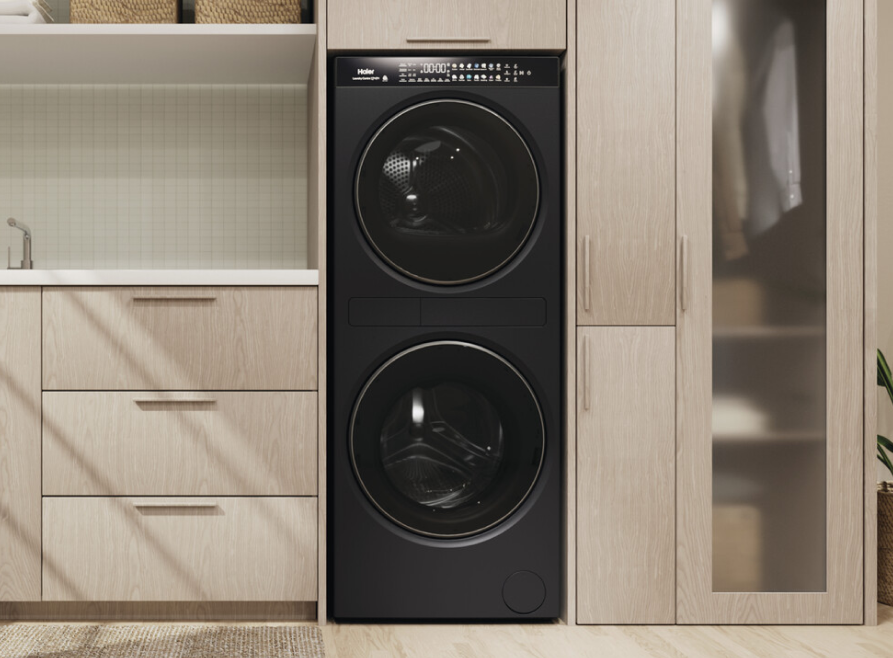
All-in-one laundry centres
Laundry Centers: The All-in-One Classic
If you’ve ever stayed in a beach house or a tight city studio, you’ve likely seen a laundry center. This is a single, tall chassis where the washer sits on the bottom and the dryer sits on top. They are typically narrower than standard units (often 609.6 to 685.8mm wide) and feature a unified control panel in the middle. While they are often more budget-friendly and easier to install as a single unit, they are generally less feature-rich and offer smaller drum sizes. The biggest caveat? If the dryer dies and can't be fixed, you’re usually replacing the whole tower, washer and all.

Check it out on Winnings
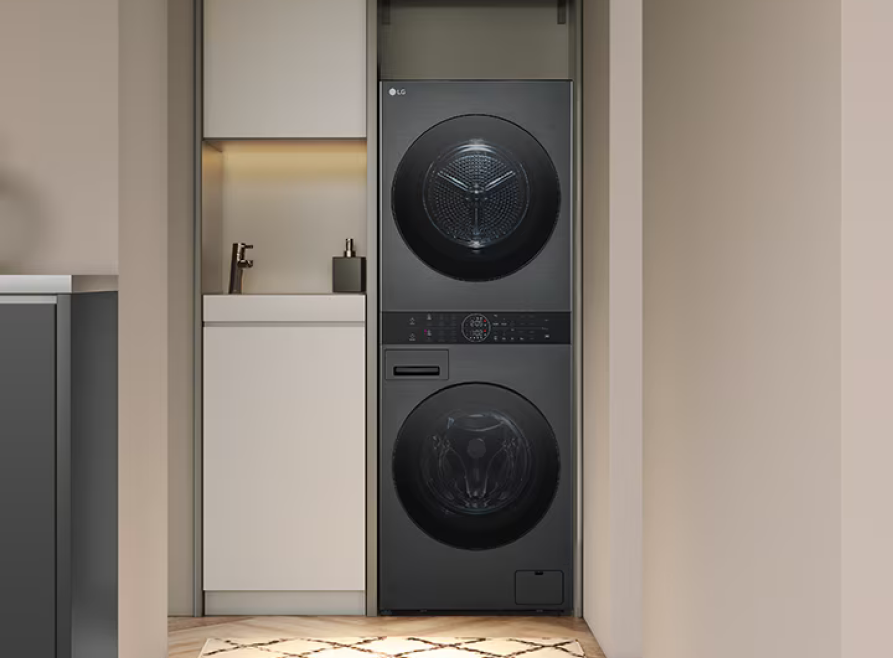
Wash-Tower Units: The Modern Hybrid
The "Wash-Tower" is the newcomer to the block, representing a premium evolution of the laundry center. Unlike the rattling, basic laundry centers of old, these are sleek, integrated units with high-end digital interfaces. The defining feature of a Wash-Tower is the central control panel located at chest height, which operates both the washer and the dryer. This eliminates the "reach problem" common with stackable pairs, where the dryer buttons end up 1.8 metres in the air for our short kings and queens out there.
The Four Major Benefits of Going Vertical
The move to vertical laundry isn't just about a space-saving layout or improved functionality; it’s about reimagining the flow of your home. When you stop thinking horizontally, new architectural possibilities begin to emerge.
1. Reclaiming Your Square Footage
The most obvious benefit is the footprint. A standard side-by-side set occupies roughly 5.5 to 6 linear feet of wall space. By stacking, you cut that footprint in half. This "found" space can be converted into a floor-to-ceiling pantry, a built-in mudroom bench, or even a small home office nook. In a small apartment, this can be the difference between having an in-unit stacked washer dryer set or making weekly trips to a communal laundry room.
2. Ergonomics and Accessibility
While people often focus on the height of the dryer, they forget the benefit of the washer’s position. In a stacked configuration, the washer remains at floor level, but the dryer is perfectly positioned at eye level for most users. This means no more hunching over to transfer wet, heavy clothes into the dryer. You simply pull them up and out. For those with lower back issues, a stacked dryer can actually be more comfortable than a traditional one that requires deep bending.
3. Modern Features and Efficiency
Because stackable units are almost exclusively front-loading, you are inherently opting for higher energy efficiency. Front-loaders use significantly less water than a traditional top load washer because they rely on gravity to tumble clothes through a shallow pool of water rather than submerging them entirely. They also spin at much higher speeds, extracting more moisture and drastically reducing the time (and energy) your dryer needs to run.
4. Aesthetic Appeal and Minimalism
There is something undeniably "clean" about a vertical laundry space setup. It allows you to tuck your appliances into a closet or a specialized cabinet, hiding the industrial clutter behind a sleek door. For those pursuing a minimalist or Scandinavian interior design, stacking your units makes the laundry area feel like an intentional part of the home’s architecture rather than a bulky afterthought.
Washing Machines


The Potential Drawbacks to Consider
No appliance configuration is perfect. While the pros are compelling, the cons of vertical laundry are often "hidden" until the moment of installation or the first time you try to use them.
1. The Reach Factor: Height Constraints
This is the most common complaint: the dryer controls. If you are using a stackable pair (two independent units), the dryer’s buttons and lint filter will be significantly higher than they would be on the ground. For individuals under 5’4”, reaching the cycle start button or cleaning the lint trap can require a step stool. This is where the modern Wash-Tower (with central controls) wins, but if you are buying a stackable pair, you must test the reach before you buy.
2. Difficulty of Repair and Maintenance
When a technician comes to fix a side-by-side unit, they can easily pull it out and access the back. With a stacked unit, even a minor repair to the washer (the bottom unit) often requires the technician to de-stack the dryer first. This labor-intensive process can lead to higher service fees. Furthermore, if you have a leak behind a stacked unit, it is much harder to spot and even harder to reach in a hurry.
3. Capacity Limitations
While manufacturers have made great strides, stacked units—particularly laundry centers—tend to have slightly smaller capacities than the largest "mega-capacity" side-by-side front loaders. If you are used to washing three sets of king-sized sheets at once, you might find the 113–127 litres drums of most stackable units a bit restrictive. You aren't losing much, but those few inches of drum space matter for large families who require a large capacity for their daily needs.
4. Complexity of Installation
Installing a stacked unit is a two-person (or three-person) job. You are lifting a 68 kg dryer onto a vibrating washer. If it’s not done perfectly, the dryer can shift, vibrate excessively, or even fall. You also have to navigate the venting and plumbing in a much tighter vertical channel, which can be a nightmare in narrow closets where you can't reach behind the machines once they are stacked.
Critical Logistics: What to Check Before You Buy
Before you fall in love with these sleek Miele or Bosch laundry appliances, you need to play the role of a home inspector. Many people buy the units only to realize their closet is half an inch too shallow for the venting.
Measuring Your Space (And Then Measuring Again)
Measure the height, width, and depth of your space. Then, add 152.4 mm to the depth for venting and hoses. This is the "hidden" measurement that ruins most installs. Also, measure every doorway and hallway leading to the laundry room. A stacked unit is tall and awkward; it needs a clear flight path through your home.
Venting and Plumbing Requirements
All clothes dryers need to breathe. If you are putting a stacked unit in a closet, does that closet have a vent to the outside? If not, you may need to look into a "ventless" or "heat pump" dryer, which uses a closed-loop system to remove moisture. These are great for apartments but typically take longer to dry clothes. Even then, heat pump dryers will still give off a lot of heat in a tight space, so windows or vents are required. Also, we recommend checking and double checking plumbing fittings. Once it's in place fixing or accessing leaks will be much more challenging.
Floor Strength and Vibration
Front-load washers spin at incredibly high RPMs. When stacked, that vibration is magnified. If your laundry room is on the second floor of a wood-framed house, a stacked unit can make the whole floor feel like it's in an earthquake. Check if your floor is reinforced and consider vibration-dampening pads to save your sanity.
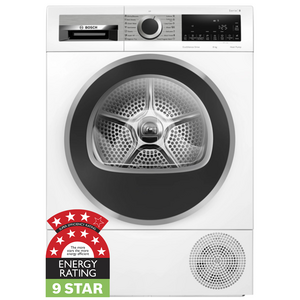
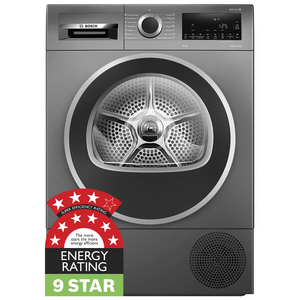
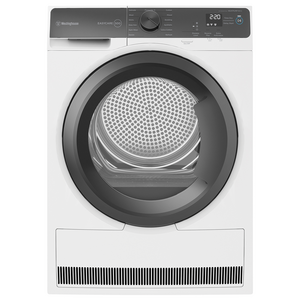
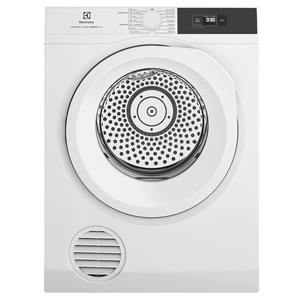
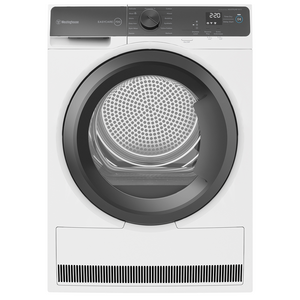
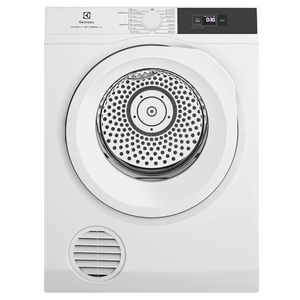
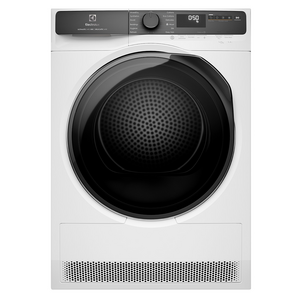
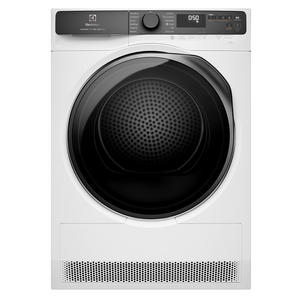
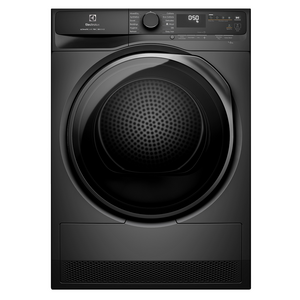
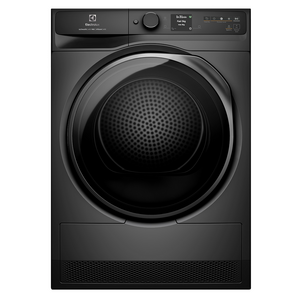
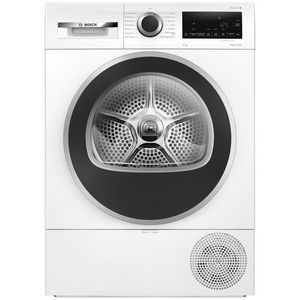
Highest Rating Dryers

Who is a Stacked Unit Actually For?
The Apartment Dweller and Small Homeowner
If you are living in a studio apartment or a batch where every square foot is precious, stacking is a no-brainer. It allows you to move the laundry out of the kitchen or bathroom and into a dedicated closet, significantly improving your quality of life and your home's resale value.
The "Secondary Laundry" Scenario
We are seeing a massive trend in "second laundry" rooms. Large families are installing a main side-by-side set in the basement and a smaller stacked set in the primary suite’s walk-in closet. This eliminates the need to haul baskets of towels and intimates up and down stairs.
The Growing Family: Can It Keep Up?
For a family of four or more, a traditional laundry center might feel like a bottleneck compared to a full-sized stackable washer dryer. However, a modern, full-sized stackable pair (like those from Beko, Miele, Bosch, or Electrolux) can absolutely handle the load. The key is ensuring you don't compromise on drum size or settle for anything less than the best stackable washer just to get the vertical look.

Financial Breakdown: Upfront Costs vs. Long-Term Value
Initially, a stackable pair may seem more expensive because you must buy the washer, the dryer, and a specific "stacking kit" (which usually costs between $50 and $100). However, the long-term value is high.
A laundry center is the cheapest entry point (often $1,200–$1,600), but if one half fails, you replace the whole thing. A stackable pair ($1,600–$2,400) offers better longevity because the components are independent. Furthermore, the energy savings from a high-efficiency front-load washer can save the average household $100–$150 a year on utility bills compared to an old-fashioned top-loader.
Installation Tips: Setting Yourself Up for Success
The Importance of a Stacking Kit
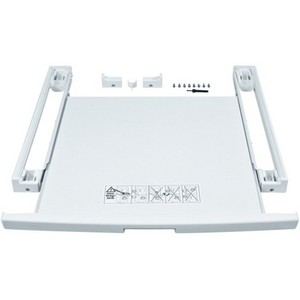
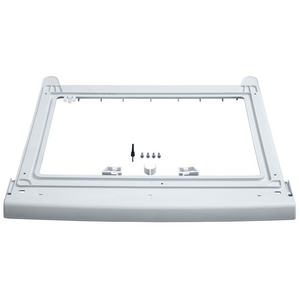
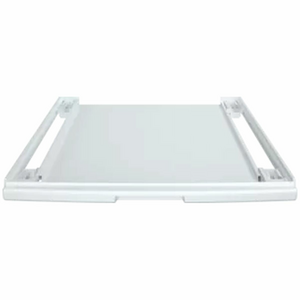
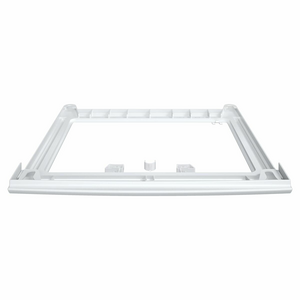
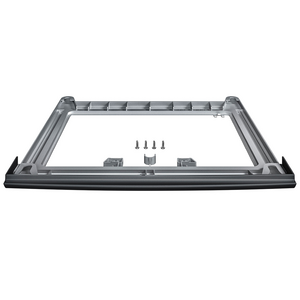
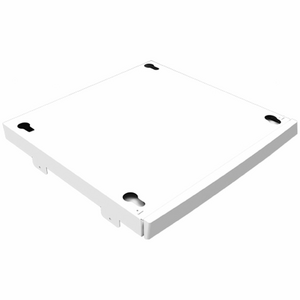
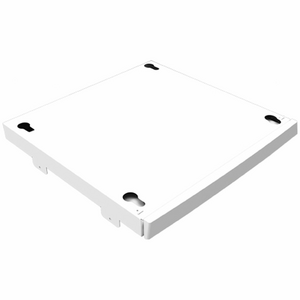
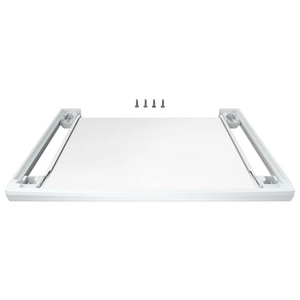
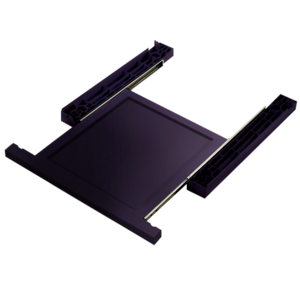
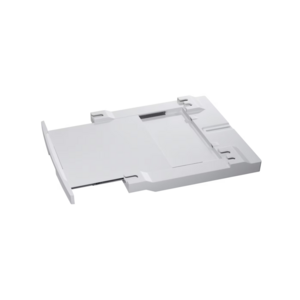
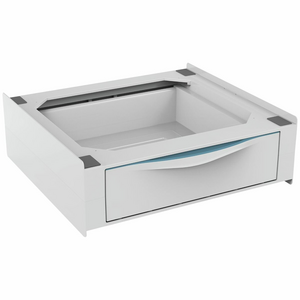
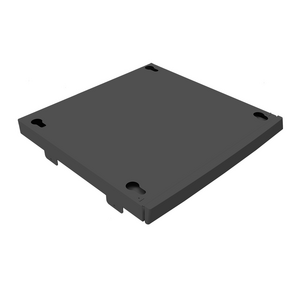
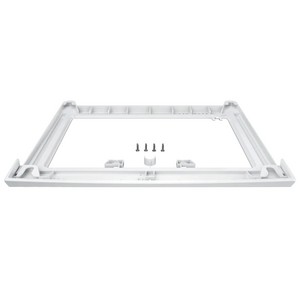
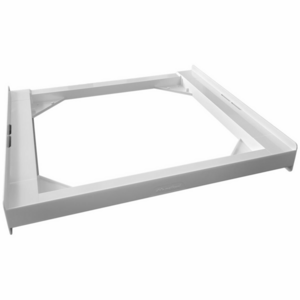
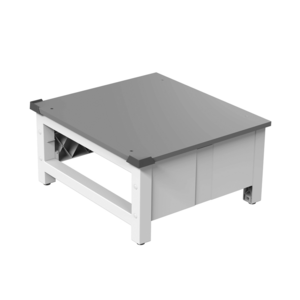
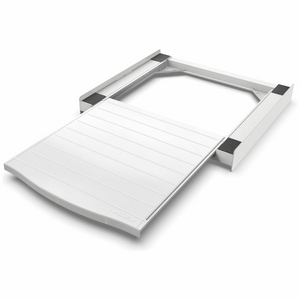
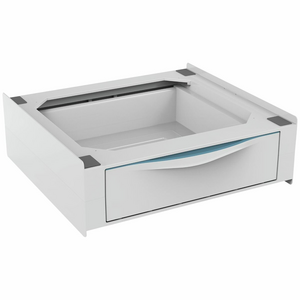
Never, under any circumstances, just "sit" a dryer on top of a washer. The vibration from the spin cycle will cause the dryer to "walk" right off the edge. A stacking kit consists of brackets and often a shelf or spacer that locks the two units into a single rigid structure. Use the kit specifically designed for your brand and model.
Stability and Leveling
The biggest enemy of a stacked unit is an uneven floor. Use a bubble level on top of the washer before you ever lift the dryer into place. Adjust the leveling legs until it is rock-steady. If the base unit isn't level, the top unit will amplify the wobble, leading to noise that sounds like a jet engine taking off in your hallway.
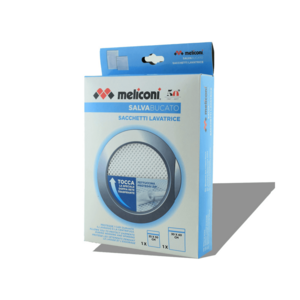
Stacking Kits

Making the Final Decision: A Checklist for Success
Before you head to the appliance store, run through this final mental checklist:
Can I reach it? (Stand on your tiptoes. Can you touch 1.98 metres high?)
Does the door swing work? (Will the washer and dryer doors hit a wall or a closet door when opened?)
Is my venting ready? (Do I have the 152.4 mm of clearance behind the machine for the duct?)
What is my laundry volume? (Do I wash massive comforters weekly, or just standard loads?)
Can my floor handle it? (Is the subfloor sturdy enough for 159 + kgs of vibrating machinery?)
If you can answer these questions with confidence, you’re ready to reclaim your floor space.
How We Researched This Guide
To provide the most practical advice, we analyzed the technical specifications of top-rated brands like Beko, Westinghouse, Bosch, and Miele. We consulted with Winnings appliance experts to understand the long-term maintenance hurdles of vertical units and reviewed architectural standards for small-space living. This guide combines manufacturer data with real-world user feedback to ensure you are prepared for both the installation day and every laundry day that follows.
Get the right dishwasher sooner, with Free Next Day Delivery*
Ready to upgrade your home without the hassle? At Appliances Online NZ, we make it simple. Enjoy the convenience of free, next-day delivery* straight to your door, so you can start enjoying your new appliance sooner. Plus, we take care of the old one with free removal and recycling*, ensuring a seamless transition and peace of mind. Experience the Appliances Online difference today – where Legendary Service is always part of the package.

Gene is Auckland-based, a father of two girls and husband to Maxie. A creative at heart, he trained in animation and later found his passion in content marketing and storytelling. Gene loves design, food, art, film and media - and after hours, you’ll find him tinkering in the garage on sculptures and art toys. He brings this same creativity and fresh thinking to his role at Appliances Online, helping shape meaningful campaigns and sharing stories that connect with customers every day.
Latest Articles
BLOG HOME
26 AUGUST 2026
10 of the Most Popular Clothes Dryers in New Zealand 2026
Discover the most popular dryers in NZ in 2026
BUYING GUIDES
29 JUNE 2026
2026 Home Appliance Rankings: The Most Popular, Reliable, and High-Tech Picks
Looking for the best appliances in 2026? Explore our expert guide to the most popular, reliable and innovative kitchen and laundry appliances.
BUYING GUIDES
2 JUNE 2026
Do you need a freestanding or built-under dishwasher?
Not sure whether to choose a freestanding or built-under dishwasher? Compare the pros, cons, costs, and installation requirements to find the best option for your kitchen.
BLOG HOME
15 MAY 2026
The Best Small Appliances for Hearty Comfort Cooking
Discover the top small appliances that make hearty comfort cooking easy and delicious. Elevate your home cooking with these essential kitchen gadgets!
More Like This
BLOG HOME
26 AUGUST 2026
10 of the Most Popular Clothes Dryers in New Zealand 2026
Discover the most popular dryers in NZ in 2026
BUYING GUIDES
29 JUNE 2026
2026 Home Appliance Rankings: The Most Popular, Reliable, and High-Tech Picks
Looking for the best appliances in 2026? Explore our expert guide to the most popular, reliable and innovative kitchen and laundry appliances.
BUYING GUIDES
2 JUNE 2026
Do you need a freestanding or built-under dishwasher?
Not sure whether to choose a freestanding or built-under dishwasher? Compare the pros, cons, costs, and installation requirements to find the best option for your kitchen.
