Your store: Auckland Store

Appliances Online NZ Blog
Tips and tricks for better home living, from the kitchen and laundry to the bedroom and backyard.
SEASONAL TIPS | 6 OCTOBER, 2025
9 MIN READ
Don't Let FOMO Ruin Your Black Friday: Essential Tips to Resist Overspending
Beat Black Friday FOMO with expert tips to keep your spending in check, find real value, and shop with confidence.

Essential Tips to Resist Overspending
Black Friday, with its dizzying array of discounts and limited-time offers, often creates an environment ripe for overspending and subsequent buyer's remorse. The thrill of a perceived bargain can quickly overshadow rational decision-making, leading to purchases that do not align with your true needs or financial goals. This article provides a clear, actionable guide to navigating Black Friday strategically, empowering you to make informed choices, avoid unnecessary expenses, and ultimately prevent the regret that often follows impulsive buying. By understanding the underlying psychological triggers and implementing practical planning and shopping techniques, you can transform Black Friday from a potential financial pitfall into an opportunity for smart, deliberate acquisitions.
Understand the Psychology Behind Black Friday Spending
To effectively resist the allure of Black Friday deals, it is crucial to first comprehend the powerful psychological forces at play. Retailers meticulously craft their campaigns to tap into fundamental human instincts, making it difficult to maintain objectivity. Recognizing these tactics is the first step toward regaining control over your spending.

Identify the Fear of Missing Out (FOMO)
Recognize the Urgency Tactic. Retailers expertly leverage the fear of missing out (FOMO) by creating a sense of urgency and scarcity. Phrases like "limited stock," "flash sale," and "doorbuster deal" are designed to trigger an immediate, emotional response, bypassing rational thought. This perceived scarcity makes an item seem more desirable and creates pressure to buy now, before the opportunity vanishes. Understand that these tactics are marketing ploys, not genuine indicators of an item's true value or necessity.
Challenge the Scarcity Illusion. Before succumbing to the pressure of a "limited-time offer," pause and question the authenticity of the scarcity. Many Black Friday "deals" are strategically planned and may reappear or be available through other retailers. Do not allow the perception of a vanishing opportunity to dictate your purchasing decisions. Empower yourself by recognizing that a truly necessary item will likely be available again, perhaps even at a similar price point.
Strategize Before Black Friday Arrives
Effective Black Friday shopping begins long before the sales actually launch. A proactive approach, involving thorough preparation and disciplined planning, is your strongest defense against impulsive buying and overspending.
Create a Comprehensive Shopping List
Define Your Specific Needs. Before Black Friday advertisements begin to flood your inbox and social media feeds, take the time to create a detailed list of items you genuinely need. This is not a wish list; it is a needs list. Consider what appliances are failing, what clothing essentials require replacement, or what gifts are truly necessary for upcoming events. Be specific about brands, models, and features if you have particular requirements.
Prioritize Your List. Once you have identified your essential needs, prioritize them. Which items are absolutely critical? Which could wait if a suitable deal does not materialize? Assigning a priority level helps you focus your efforts and ensures that your budget is allocated to the most important purchases first. This structured approach prevents you from being swayed by attractive, but ultimately unnecessary, discounts.

Set a Strict Budget and Stick to It
Determine Your Financial Capacity. Before you even look at a single sale item, establish a clear, non-negotiable budget. Assess your current financial situation and determine how much you can realistically afford to spend without incurring debt or compromising your other financial obligations. This is a critical step in preventing buyer's remorse, as overspending is a primary cause of post-purchase regret.
Allocate Funds to Specific Items. Rather than setting a lump sum, allocate specific amounts to individual items on your shopping list. For example, if you need a new coffee maker, decide on the maximum you are willing to pay for it. This granular budgeting provides a clear financial boundary for each potential purchase, making it easier to resist upsells or more expensive alternatives that appear to be "better deals." Your budget is your financial safeguard; adhere to it rigorously.

Research Products and Prices in Advance
Track Prices Over Time. Do not assume that a Black Friday "deal" is genuinely the lowest price. Many retailers inflate prices before the sales event to make discounts appear more significant. Utilize price tracking tools or manually monitor prices for your desired items several weeks, or even months, leading up to Black Friday. This allows you to identify genuine discounts versus fabricated ones.
Read Product Reviews Thoroughly. Before committing to a purchase, invest time in reading comprehensive product reviews from reputable sources. Focus on reviews that discuss long-term performance, common issues, and user satisfaction. A low price is irrelevant if the product is of poor quality or does not meet your expectations. Informed decisions are quality decisions, irrespective of the discount percentage.
Implement Smart Shopping Habits on Black Friday
When Black Friday finally arrives, your preparation will serve as your guiding force. However, it is equally important to employ smart shopping habits in the moment to resist the persistent temptations and marketing ploys.

Avoid Impulse Purchases
Adhere Strictly to Your List. Your pre-planned shopping list is your strategic document. Do not deviate from it. Every item outside of your list represents a potential impulse purchase. If an item catches your eye that is not on your list, resist the urge to add it to your cart. Remind yourself that you carefully considered your needs, and this item was not among them.
Implement a "24-Hour Rule." For any item not on your pre-approved list, even if it appears to be an incredible deal, impose a "24-hour rule." Do not purchase it immediately. Instead, add it to a wishlist or save it for later, and then revisit it the next day. Often, the initial excitement will fade, allowing you to objectively assess whether you truly need or want the item. This simple delay can prevent numerous regrettable purchases.
Prioritize Needs Over Wants
Distinguish Between Necessity and Desire. During Black Friday, the line between needs and wants can become blurred. Consistently ask yourself if an item is truly essential or if it is merely something you desire because it is on sale. A new television may be a want, whereas a new refrigerator if yours is failing, is a need. Prioritize your budget and effort toward fulfilling genuine needs first.
Re-evaluate Your Priorities in the Moment. Even with a list, the excitement of sales can challenge your resolve. If you find yourself tempted by a "want," mentally compare its value and necessity against the unpurchased items on your needs list. Would buying this want prevent you from affording a more crucial item later? This immediate re-evaluation reinforces your disciplined approach.
Compare Prices Across Retailers
Utilize Price Comparison Tools. Do not assume that the first deal you see is the best. Many online tools and browser extensions can automatically compare prices for a specific product across multiple retailers. Make these tools an integral part of your Black Friday shopping strategy. This ensures you are always getting the most competitive price available.
Check Competitor Deals Actively. Even without automated tools, take a few extra minutes to manually check major competitors for items on your list. A retailer might offer a better deal, or an equivalent product at a lower price. This diligent comparison shopping empowers you to maximize your savings and prevents the regret of discovering a better offer shortly after your purchase.
Develop Post-Purchase Evaluation Practices
Your financial discipline should extend beyond the point of sale. Developing robust post-purchase evaluation practices is crucial for ensuring satisfaction with your acquisitions, understanding your consumer behavior, and preventing future overspending.
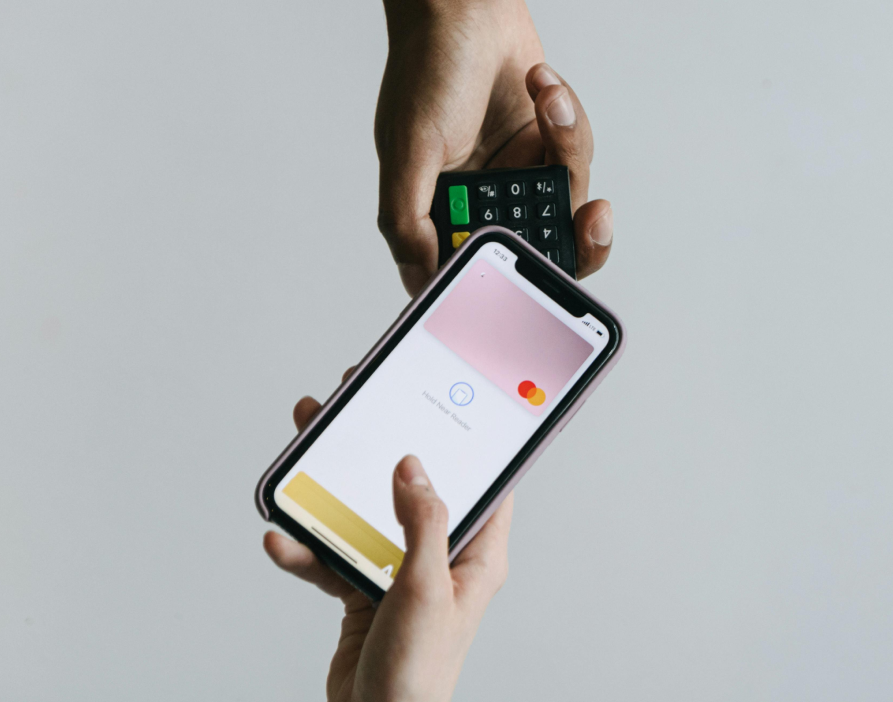
Review Your Purchases Critically
Unbox and Evaluate Thoughtfully. Once your Black Friday purchases arrive, resist the urge to simply tear open packages and integrate items immediately. Instead, take a moment to unbox each item thoughtfully. Examine its quality, functionality, and whether it truly matches your expectations and initial research. Is this item a genuine upgrade or solution, or just another acquisition?
Assess Alignment with Your Needs and Budget. Hold each purchase against the criteria of your original shopping list and budget. Did this item fulfill a genuine need? Was it within the allocated budget? If not, reflect on why. This critical assessment, even if challenging, is vital for developing stronger purchasing habits and preventing buyer's remorse from festering.
Understand Return Policies. Familiarize Yourself with Specific Retailer Policies. Before making any Black Friday purchase, explicitly review the return policy for each retailer. Pay close attention to return windows, conditions (e.g., unopened packaging, original receipt), and whether any items are final sale. Black Friday sales often come with stricter return stipulations. Knowing these policies empowers you to return unsatisfactory items promptly and avoid being stuck with unwanted goods.
Act Promptly on Returns. If an item does not meet your expectations, is redundant, or was an impulse purchase, initiate the return process without delay. Procrastination can lead to missing the return window, turning a temporary financial misstep into a permanent one. Prompt action is a key component of smart financial management.

Learn from Your Spending Habits
Maintain a Record of Black Friday Purchases. Keep a simple record of what you purchased, from where, at what price, and why you bought it. Include notes on whether you are satisfied with the item, if it was truly needed, and if it adhered to your budget. This practical log provides tangible data for future reflection.
Reflect on Successes and Missteps. After Black Friday and the return period have passed, take time to review your purchasing record. Celebrate your successful, strategic purchases that aligned with your needs and budget. More importantly, analyze any instances of overspending, impulse buys, or purchases that led to remorse. What triggered these decisions? How could they have been avoided? This honest self-assessment is the foundation for continuous improvement in your spending habits. By actively learning from your experiences, both positive and negative, you empower yourself to make increasingly smarter, more deliberate financial decisions in the future, transcending the temporary allure of discounts.

Gene is Auckland-based, a father of two girls and husband to Maxie. A creative at heart, he trained in animation and later found his passion in content marketing and storytelling. Gene loves design, food, art, film and media - and after hours, you’ll find him tinkering in the garage on sculptures and art toys. He brings this same creativity and fresh thinking to his role at Appliances Online, helping shape meaningful campaigns and sharing stories that connect with customers every day.
Latest Articles

BLOG HOME
22 APRIL 2026
Winter Heating Appliances: Energy-Efficient Solutions for Home Warmth
Explore energy-efficient winter heating appliances to keep your home warm. Explore smart solutions for comfort, performance, and lower energy use.

BLOG HOME
20 APRIL 2026
Highest Rated Fridges NZ 2026: Top 7 Models Reviewed & Ranked
Discover the highest rated fridges in NZ for 2026. Explore our top 7 models, reviewed and ranked for performance, efficiency, and design.

BLOG HOME
17 APRIL 2026
Best Washing Machines NZ 2026: 7 of our Highest Rated Washing Machines
Best washing machines NZ 2026: explore 7 of our highest-rated models for performance, energy efficiency, and reliability in New Zealand homes.
BUYING GUIDES
8 JANUARY 2026
Your Ultimate Guide to Choosing the Best Coffee Machine
Not sure which coffee machine is right for you? Our ultimate guide makes it easy to compare options and find the perfect brew for your home.
More Like This
BLOG HOME
22 APRIL 2026
Winter Heating Appliances: Energy-Efficient Solutions for Home Warmth
Explore energy-efficient winter heating appliances to keep your home warm. Explore smart solutions for comfort, performance, and lower energy use.
BLOG HOME
20 APRIL 2026
Highest Rated Fridges NZ 2026: Top 7 Models Reviewed & Ranked
Discover the highest rated fridges in NZ for 2026. Explore our top 7 models, reviewed and ranked for performance, efficiency, and design.
BLOG HOME
17 APRIL 2026
Best Washing Machines NZ 2026: 7 of our Highest Rated Washing Machines
Best washing machines NZ 2026: explore 7 of our highest-rated models for performance, energy efficiency, and reliability in New Zealand homes.